
Compliance / Regulation
Singapore Leads CSAO Crypto Growth as Institutional Activity Surges
Singapore's crypto economy expanded 55.4% to $284 billion, driven by a 94% rise in institutional activity, despite a regional contraction.
Essential compliance reporting and analysis for the digital-asset economy.
Singapore's crypto economy expanded 55.4% to $284 billion, driven by a 94% rise in institutional activity, despite a regional contraction.

Singapore's crypto economy grew 55.4% to $284 billion, driven by a 94% rise in institutional platform activity, while the broader CSAO region contracted.

The CFTC is investigating former Representative Adam Kinzinger for placing small-value bets on his own presidential pardon via Kalshi, violating platform rules against direct participant trading.

Robinhood announced perpetual futures with up to 10x leverage, 24-7 stock trading via Bruce ATS, and autonomous AI agents at its Houston summit.
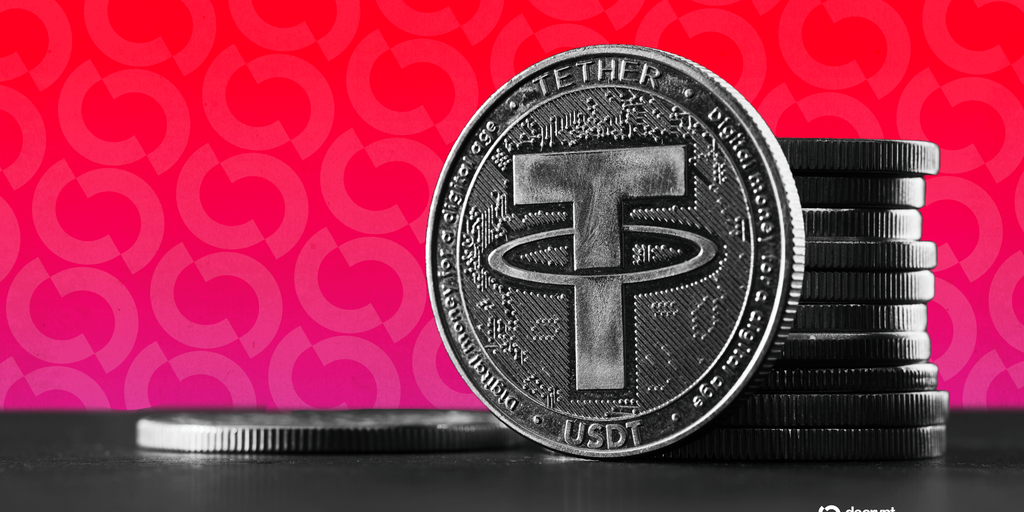
A Senate subcommittee report reveals that 84% of sanctioned wallets linked to Iran transacted primarily in Tether's USDT, prompting calls for federal investigations into compliance.

McDonald's utilizes machine-learning models to recommend menu prices across nearly 14,000 restaurants, incorporating customer willingness-to-pay data and competitor pricing.

The consultation on the Markets in Crypto Assets Regulation review closed September 30, emphasizing proportionality to prevent compliance costs from stifling innovation.

Prediction market platform Kalshi is negotiating a $1 billion funding round led by Sequoia Capital and Wellington Management, doubling its valuation from May.

Frank Elderson explains how the ECB is adapting supervision through sharper risk prioritization, simplified processes, and timely remediation to address complex global risks.
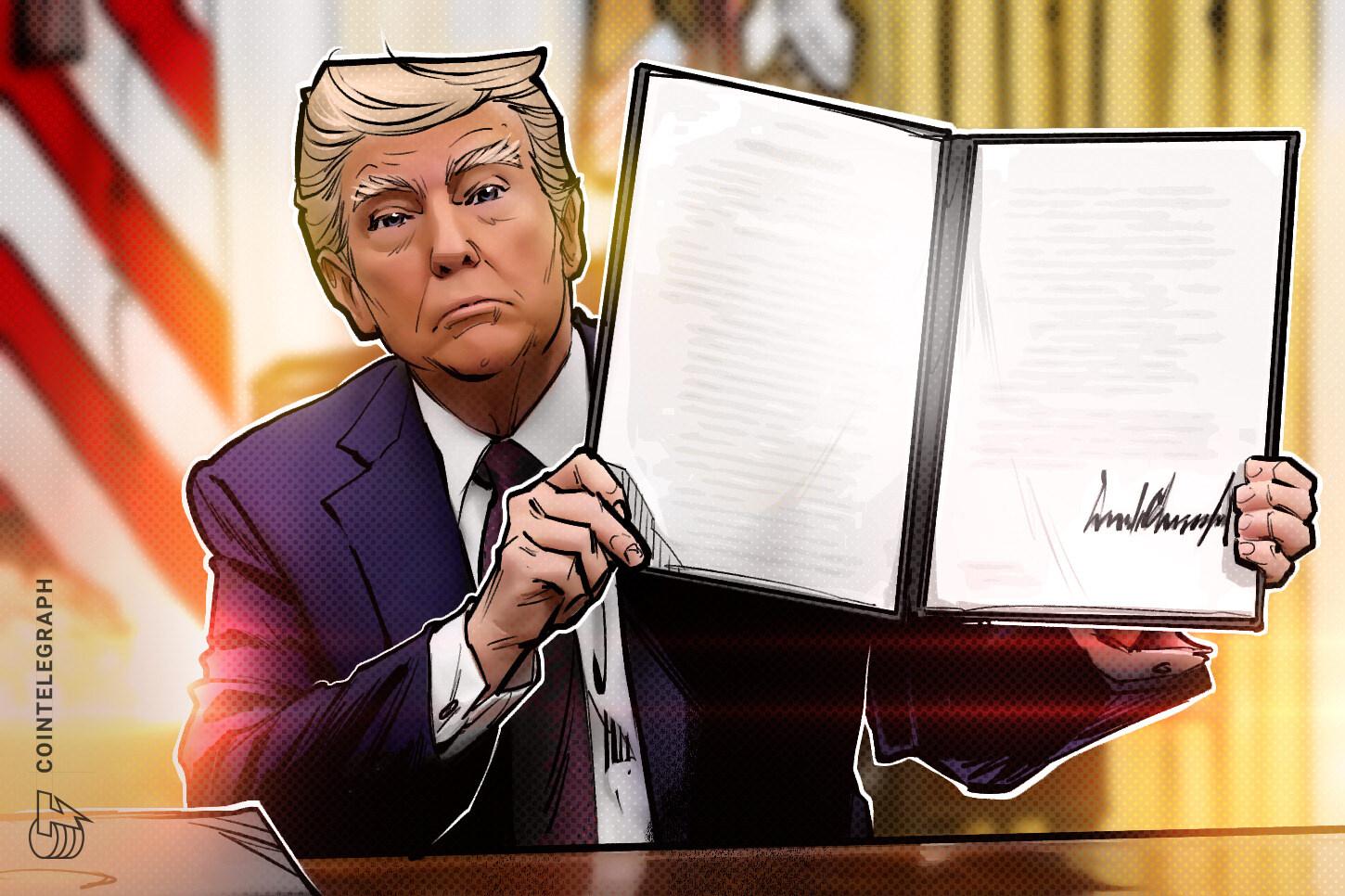
President Trump and six major tech executives signed a voluntary accord requiring self-policing, audits, and board oversight for frontier AI models.

Cboe Global Markets and S&P Dow Jones Indices extended their exclusive licensing agreement through 2051, signaling potential collaboration on tokenized options contracts.

The Relapse exploit chain enables custom code execution on PS5 firmware 7.00 through 13.60, coinciding with Sony's legal defense against claims that players do not own digital games.