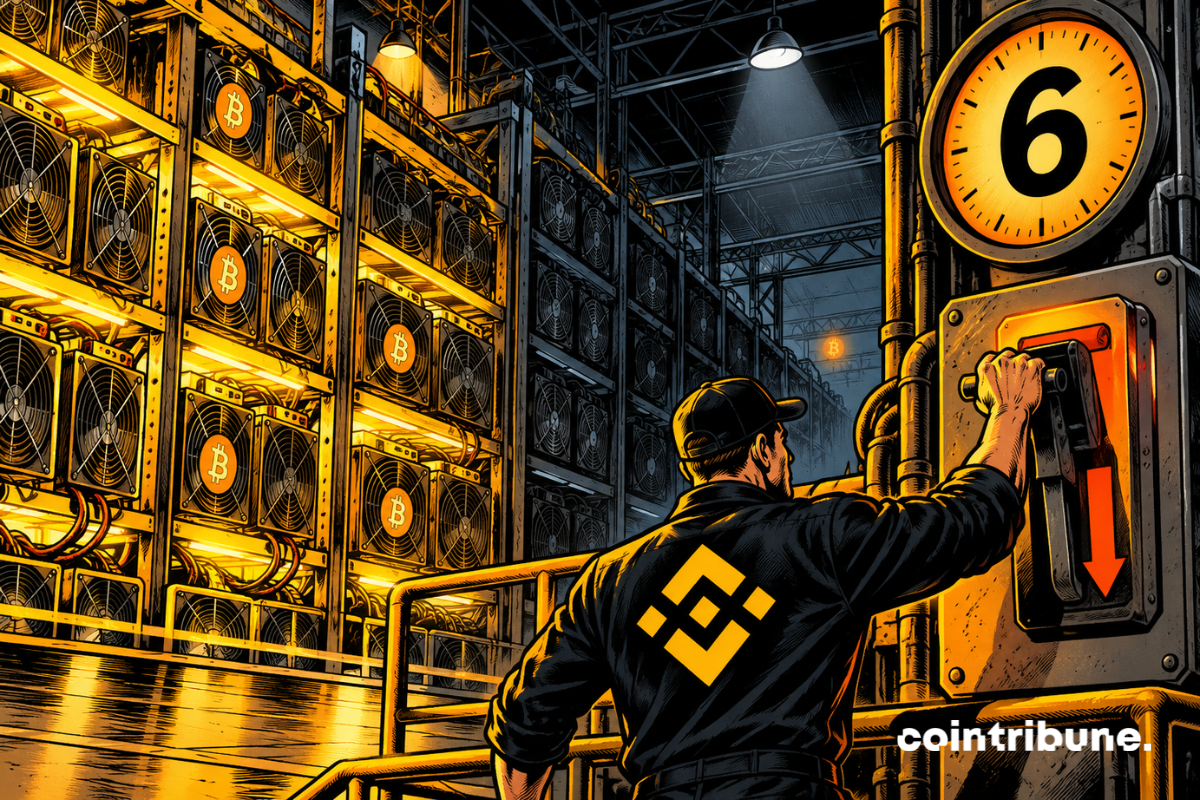
Binance has confirmed it will discontinue its mining pool services on November 10, 2026, at 07:00 UTC, ending a six-year operational period that began with the April 2020 launch of Binance Pool. The shutdown encompasses Pool Savings, Cloud Mining, Transaction Accelerator, and associated APIs, alongside automated notifications via Telegram and email. Historical payout records and archived mining data will remain accessible until November 24, after which the service pages will permanently close. The company stated the decision resulted from continuous product review, citing no specific issues regarding profitability, regulation, or technology. This move affects miners who relied on an exchange-linked pool for Bitcoin hashrate distribution, forcing them to migrate capacity before the deadline to avoid reward settlement failures.
The closure of Binance Pool marks a significant consolidation in the cryptocurrency infrastructure sector, highlighting the risks inherent in combining custody, trading, and mining operations within a single entity. By exiting this market, Binance narrows its focus to core exchange, custody, and payment services, reflecting a strategic shift away from peripheral products that may face increasing regulatory scrutiny or operational complexity. For miners, the event underscores the vulnerability of relying on exchange-affiliated pools, where sudden business decisions can disrupt revenue streams and necessitate rapid migration to standalone providers.
This development contributes to broader industry trends where specialized infrastructure providers gain ground against generalist exchanges as mining becomes more industrialized and profit margins tighten post-halving. The redistribution of hashrate previously managed by Binance is likely to accelerate toward established US-based and Asian pools, potentially impacting network decentralization metrics. Stakeholders should monitor how this exit influences fee competitiveness among remaining pools and whether other major exchanges reassess their exposure to mining-related services amid evolving economic conditions.