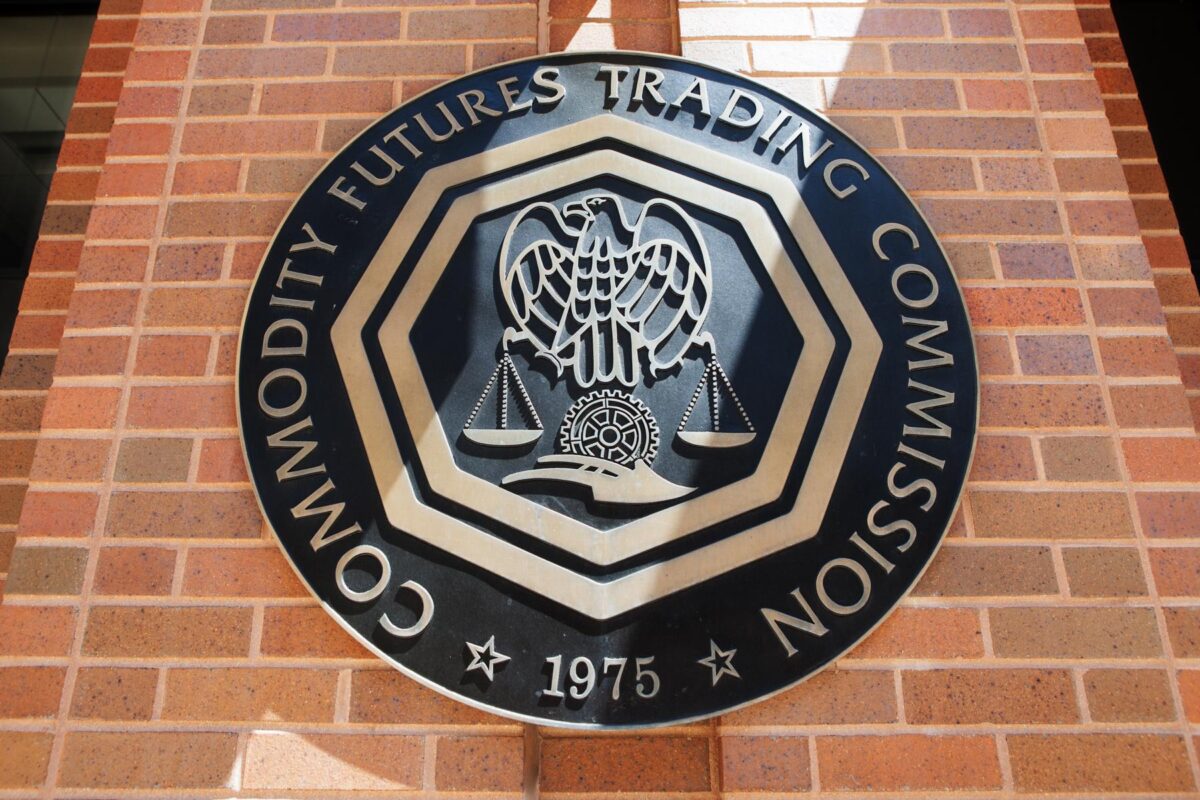
On October 13, 2026, Blockchain.com announced it had filed for registration as a futures commission merchant (FCM) and designation as a designated contract market (DCM) with the US Commodity Futures Trading Commission (CFTC). The dual applications aim to establish a regulated derivatives infrastructure within the company's existing app, potentially enabling crypto futures, options, and event contracts for US retail and institutional customers. Designated contract market status would allow Blockchain.com to operate an exchange under CFTC oversight, while FCM registration would permit the acceptance of customer orders and assets. The filing does not specify approval timelines, application numbers, or initial product details such as underlying assets or clearing arrangements. Blockchain.com noted that these filings are part of a broader global licensing strategy, following recent authorizations in Malta, the UK, and the Cayman Islands. However, the proposed US services remain contingent on regulatory approval; no products are currently live in the US under this framework.
This move signals a strategic pivot by major crypto platforms toward integrating traditional financial regulatory structures directly into consumer-facing apps. By seeking both DCM and FCM statuses simultaneously, Blockchain.com attempts to consolidate the exchange and brokerage functions, reducing friction for users who currently navigate separate venues for spot trading and derivatives. This vertical integration mirrors trends in traditional finance but applies them to digital assets, aiming to capture the growing demand for regulated exposure to crypto volatility and prediction markets.
However, significant operational and compliance risks remain. The distinction between running an exchange and acting as an intermediary involves complex custody and segregation requirements that the announcement leaves unspecified. Without clarity on how customer assets will be held or which clearing organizations will be used, the practical viability of the model is uncertain. Furthermore, the reliance on CFTC approval introduces regulatory timing risk; until both designations are granted, the promise of a unified US interface remains theoretical, leaving competitors with established licenses or alternative compliant pathways at a potential advantage.