The joint venture between cryptocurrency exchange OKX and Intercontinental Exchange (ICE), known as OKXICE, has received formal objections from major public companies regarding its proposed tokenized stock trading platform. According to a notice updated on Monday, the venture reported receiving 16 notices of issuer objection from entities including Microsoft, Alphabet, and Goldman Sachs. These objections were filed in response to the proposal to offer tokenized versions of shares for more than 60 companies listed on US exchanges.
While the specific reasons for the objections were not detailed in the notices, industry experts suggest concerns may relate to potential impacts on share price stability within the new marketplace. In contrast, Andrew Cuomo, co-chair of OKXICE and former New York Governor, characterized these filings as "not objections" but rather indicative of companies waiting to see how others test the waters. He cited the Securities and Exchange Commission’s openness to a global 24/7 marketplace as context for the venture's progress.
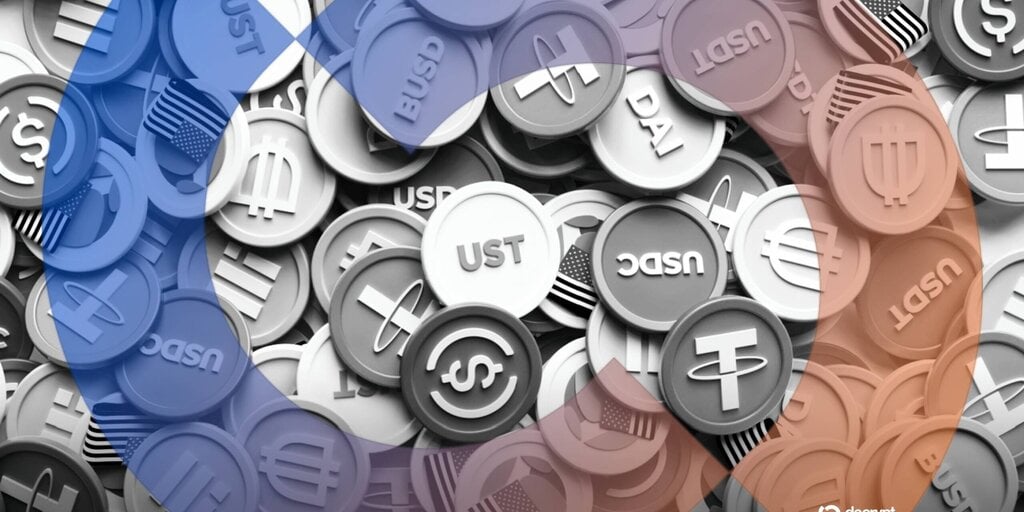
Of the approximately 62 companies initially proposed for inclusion, about 25% have issued objections. The OKXICE platform is designed to operate continuously using permissioned Uniswap v4 liquidity pools deployed on XLayer. Each tokenized stock would be paired with one of three payment stablecoins: Tether’s USDt, Circle’s USDC, or Global Dollar.
The divergence between corporate legal filings and executive commentary highlights the complex regulatory and reputational landscape surrounding tokenized securities. While OKXICE leadership frames the objections as passive hesitation, the formal submission of notices by tech and financial giants signals active risk management. Companies like Microsoft and Alphabet likely face internal pressures to protect shareholder value and brand integrity against untested market mechanisms that could introduce volatility or liquidity fragmentation.
This development underscores the friction between traditional equity markets and decentralized finance infrastructure. The reliance on stablecoin pairings and automated market makers introduces operational risks that traditional issuers may not yet fully comprehend or accept. As the SEC evaluates the viability of a 24/7 global marketplace, the stance of major issuers will serve as a critical barometer for institutional adoption. If key players continue to object, it may force regulators to impose stricter guardrails or limit the scope of permissible tokenized assets, potentially slowing the integration of crypto-native trading models into mainstream finance.