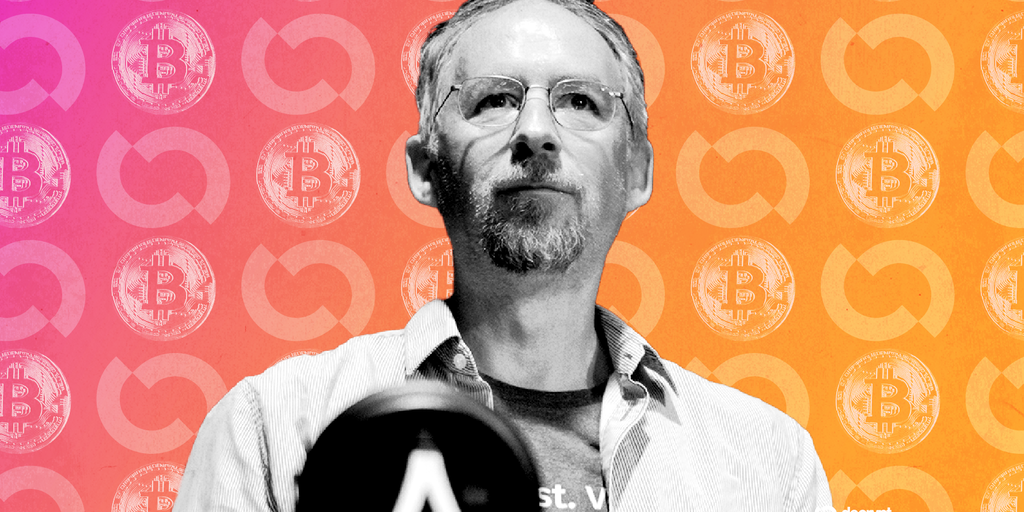
BitMine Immersion founder Tom Lee has labeled the market's reaction to the recent $6.3 billion Binance hack as "constructive" and potentially bullish for Ethereum. Lee argues that the relatively muted price impact—Ethereum fell only 4% compared to a 20% drop following the Bybit hack in early 2025—demonstrates increased resilience within the crypto sector. He attributes this stability to several key developments: Binance absorbing the loss from its own balance sheet rather than socializing it among users, the rapid freezing of stolen stablecoins by Tether and Circle, the absence of collateral damage to DeFi protocols, and the swift attribution of the attack to North Korean actors.
In line with his bullish stance, BitMine Immersion continued its aggressive accumulation strategy, purchasing an additional 8,573 ETH last week. This brings the firm's total holdings to 6,060,506 ETH, valued at approximately $13.7 billion, which constitutes 4.9% of the entire circulating Ethereum supply. However, the article notes that BitMine is nearing its self-imposed cap of 5% of supply, raising questions about future buying pressure once this corporate bid concludes.
Despite Lee's optimistic interpretation, broader market indicators show continued weakness. Bitcoin ETFs recorded $400 million in net outflows on Monday, pushing total outflows since the hack to over $1 billion. Meanwhile, geopolitical tensions surrounding the incident persist, as Kim Yo Jong, sister of North Korean leader Kim Jong Un, publicly denied Pyongyang's involvement, dismissing FBI attributions as "absurd rhetoric" and a "grave political provocation."
Tom Lee's assessment highlights a critical shift in how institutional capital interprets security breaches within major centralized exchanges. By framing the Binance hack as a test of systemic resilience rather than a catastrophic failure, he underscores the growing maturity of risk management protocols, such as internal loss absorption and rapid stablecoin freezes. This perspective suggests that the market is beginning to differentiate between operational errors and existential threats, potentially stabilizing investor confidence even during high-profile incidents. The fact that BitMine Immersion continues to buy despite these risks indicates a deep conviction that Ethereum's fundamental value proposition remains intact regardless of short-term security shocks.
However, the concentration of ownership poses a structural risk. With BitMine holding nearly 5% of all circulating ETH, the market relies heavily on a single corporate entity's liquidity decisions. As Lee approaches his stated purchase cap, the removal of this consistent, price-insensitive buyer could expose underlying demand weaknesses, particularly given the significant outflows from spot ETFs. Investors must watch whether organic retail and institutional demand can sustain prices without this artificial support, especially amid ongoing geopolitical denials from North Korea that complicate the narrative of accountability and recovery.