
Perspectives / Perspectives
Bitcoin Slips Below $81,000 Amid Oil Surge and Fed Hawkishness
Bitcoin fell nearly 3% in a day to $81,203 after Brent crude spiked on Strait of Hormuz attacks and Fed Governor Waller warned of further rate hikes.
Essential perspectives reporting and analysis for the digital-asset economy.
Bitcoin fell nearly 3% in a day to $81,203 after Brent crude spiked on Strait of Hormuz attacks and Fed Governor Waller warned of further rate hikes.
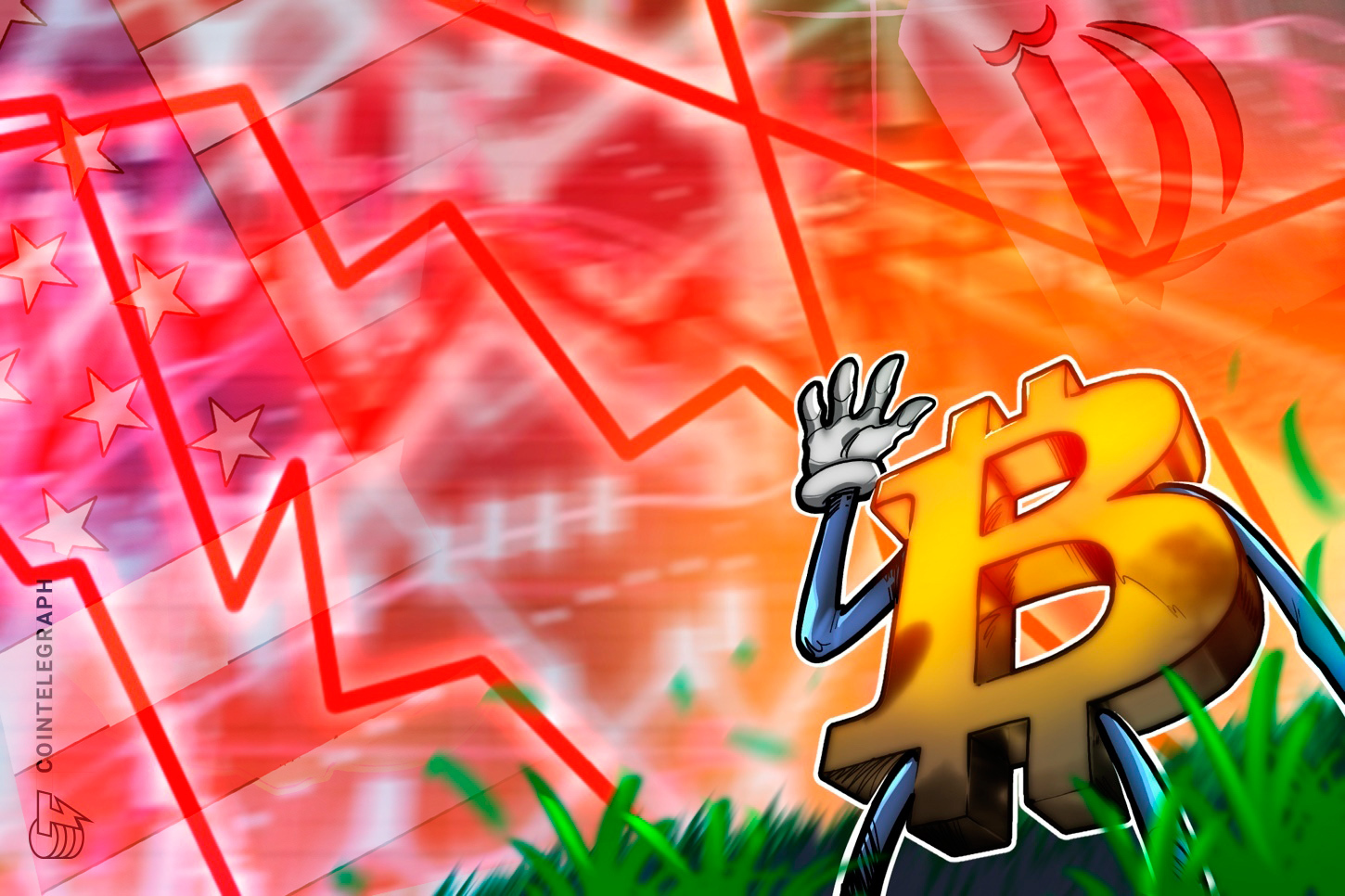
Bitcoin risked losing key support at $82,500 after dropping to $81,000 on Bitstamp, its lowest level since September 21.

S&P Global Ratings analysts predict China's residential real estate prices will bottom out in the third quarter of 2028, driven by supply reductions and new government stabilization policies.

ECB Executive Board member Piero Cipollone confirmed the digital euro will complement cash, with pilot tests starting next year and potential rollout by 2029.

Anthropic released Claude Haiku 5.5, cutting input token prices by 90% to $0.10 per million while outperforming OpenAI's GPT-6 Luna on key agent benchmarks.

Bitmine chairman Tom Lee announced the company will cease Ethereum purchases once holdings reach 5% of circulating supply, ending a year-long accumulation strategy.

Robinhood Senior Vice President Johann Kerbrat disclosed the company’s first proprietary Bitcoin holding of $25 million, signaling a strategic shift from facilitating customer trades to holding principal capital.

Bitcoin fell below $84,000 on Wednesday, causing over $500 million in long position liquidations as overhead liquidity blocked price recovery.

BitMine Chairman Tom Lee confirmed a strict 5% cap on Ether holdings, noting the firm is nearing this limit after accumulating roughly 6 million ETH.
Philip R. Lane highlights AI-driven trade strength and energy price volatility as key factors influencing ECB monetary policy decisions.

Delphi Digital warns that Treasury yields above 5% challenge Bitcoin's best third quarter since 2017, despite a 35% price gain since mid-August.

European Central Bank Chief Economist Philip R. Lane outlined complex diagnostic challenges for monetary policy, citing energy shocks, fiscal dynamics, and AI impacts.