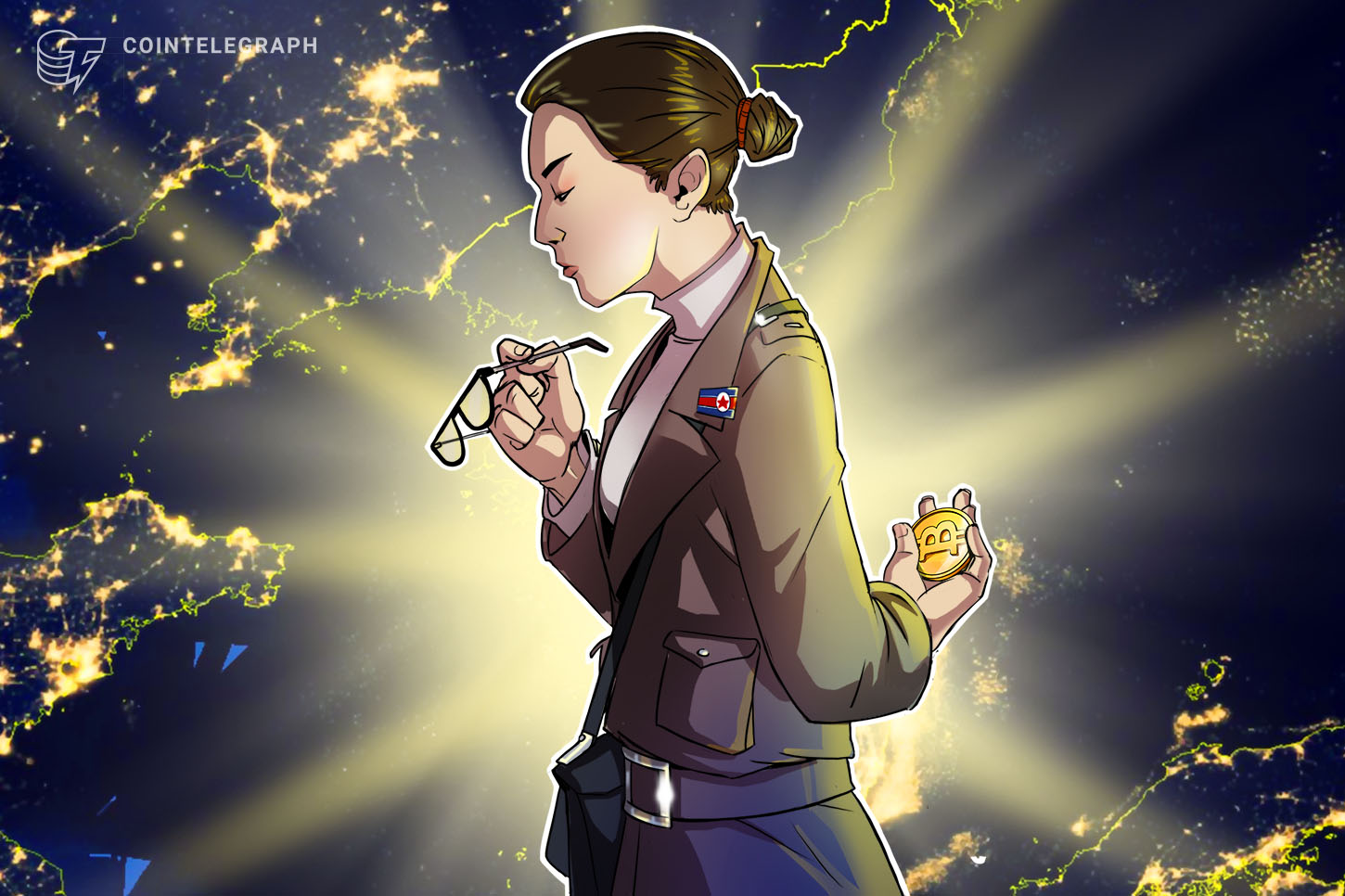
Binance has failed to execute its scheduled monthly burn of Luna Classic (LUNC) tokens for November, interrupting a consistent pattern maintained since March 2023. The exchange typically burns half of the trading fees earned from LUNC transactions at the start of each month, a commitment made following a community vote in late 2022. This lapse coincides with the aftermath of a record-breaking $6.3 billion hack of the platform, an incident the FBI has attributed to the North Korean group TraderTraitor.
While Binance has not issued an official statement regarding the specific reason for the pause, community figures suggest operational security measures are underway. Pedro, known as Vegas, claimed to Decrypt that Binance is currently moving LUNC assets to a more secure wallet before resuming the burn process. However, these assertions remain unverified by the exchange itself. Other community contributors, such as Dawid Skinder, expressed concern that the lack of support signals deeper issues, noting that Terra Classic faces challenges beyond the burn, including product gaps and governance inefficiencies.
This is not the first time Binance has halted LUNC burns; the exchange paused contributions at the end of 2022 after the community voted to re-mint burned tokens for a development fund. Burns only resumed in March 2023 after that proposal was scrapped. Amidst the current uncertainty, LUNC’s market performance has suffered, dropping 7.9% in value over the past week to $0.0000417. Investors are closely monitoring whether the exchange prioritizes recovery from the security breach over its established tokenomics commitments.
The interruption of Binance’s LUNC burn highlights the fragility of tokenomics reliant on centralized exchange commitments, particularly during periods of severe operational stress. For the Terra Classic community, the monthly burn serves as both a deflationary mechanism and a symbolic gesture of ongoing support. Its absence, coupled with the backdrop of a massive security breach, risks eroding confidence among holders who view the burn as a vital component of the project's revival narrative. The situation underscores how external shocks to major exchanges can directly impact the liquidity and sentiment of smaller, community-driven assets listed on those platforms.
From a credibility standpoint, the lack of transparent communication from Binance regarding the pause creates an information vacuum filled by speculative community claims. While attributing the delay to security maintenance is plausible given the scale of the hack, the absence of official confirmation leaves room for doubt about the exchange's long-term commitment to the LUNC ecosystem. Stakeholders should watch for any official statements clarifying the timeline for resumption, as prolonged silence could be interpreted as a strategic withdrawal or a sign of deeper structural issues within the exchange's post-hack recovery operations.