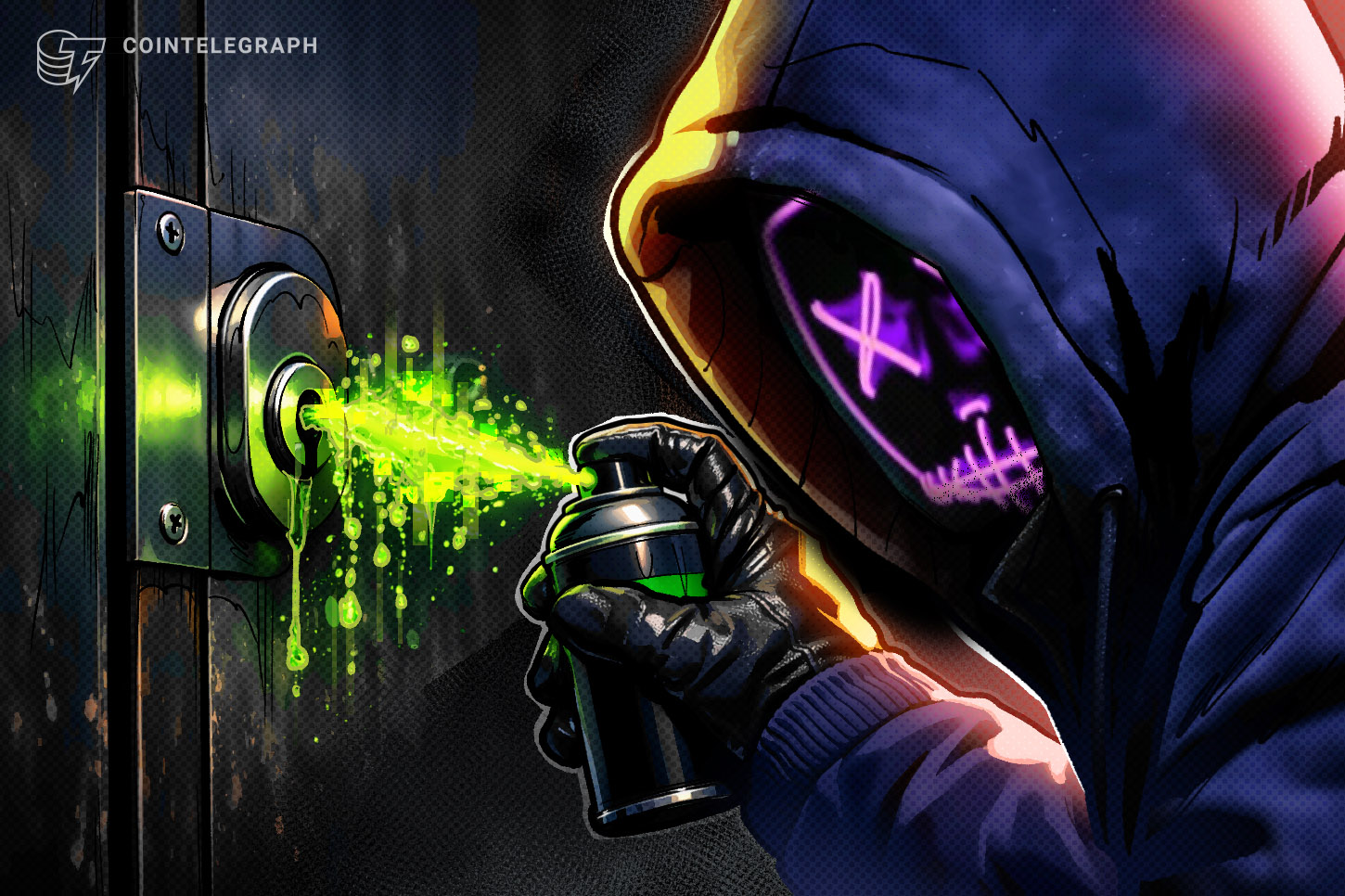
Illuvium co-founder Kieran Warwick predicts that artificial intelligence tools will enable a surge of short-lived crypto "meme games," potentially launching as many as 100,000 titles within a year. Warwick notes that AI has reduced the development time and cost for speculative games like Wolf Game or Fishing Frenzy to just days and approximately $1,000, allowing creators to deploy disposable assets designed to profit quickly before collapsing. This trend mirrors the memecoin boom facilitated by platforms like Pump.fun, which drove the sector's market capitalization to $150.6 billion in December 2024 before it fell nearly 69% to $47.2 billion by November 2025.
While cheaper development could theoretically revive interest in niche gaming sectors, industry figures express skepticism about the long-term viability of such low-effort projects. Animoca Brands CEO Robby Yung argues that user retention is critical for lasting success, suggesting these games may not form a durable category. Mirai Labs CEO Corey Wilton highlights weak demand in the Web3 space, noting that despite shipping six or seven games, his company found insufficient consumer interest. Data from Dappradar indicates only $232.2 million in total value locked across 2,356 gaming decentralized apps, with the top 50 gaming tokens holding a combined market cap of $3.8 billion.
Despite the predicted flood of low-quality entries, some high-profile projects continue to attract investment. Yield Fields, a web3 farming game on the Robinhood chain, raised an estimated $8.3 million selling digital land plots as nonfungible tokens on October 14, ahead of its late-October launch. A 2025 survey by the Blockchain Game Alliance reveals that 32.8% of industry professionals have already implemented or experimented with AI for game design, signaling a broader shift in development practices.
The potential proliferation of AI-generated meme games represents a significant stress test for the crypto gaming sector's credibility and sustainability. While the reduction in development barriers democratizes creation, it risks flooding the market with disposable content that prioritizes short-term speculation over long-term engagement. This dynamic echoes the memecoin cycle, where ease of token creation led to massive volatility and eventual capital flight, damaging the reputation of the broader ecosystem. If the primary driver of new games is rapid monetization rather than gameplay innovation, the sector may struggle to retain users who are increasingly wary of rug-pull mechanics disguised as entertainment.
However, the divergence between low-cost experimental titles and high-investment projects like Illuvium’s Overworld suggests a bifurcated market structure. Established studios focusing on quality and retention may benefit from the increased visibility of blockchain gaming, even if they compete against a backdrop of noise. The key implication for institutional adoption and regulatory scrutiny lies in how these micro-transactions and speculative assets are classified. As AI lowers the barrier to entry, regulators may face challenges distinguishing between legitimate gaming economies and unregistered securities offerings, particularly when financial rewards are central to the gameplay loop.