Blockchain analytics firm Chainalysis reported that a significant victim of recent Ledger hardware wallet thefts was itself a scammer, losing more than 60 Bitcoin valued at approximately $4.8 million. The stolen funds originated from a task scam where participants were paid to fake sales and reviews before being coerced into depositing their own money due to fabricated negative balances. On September 22, the scammer transferred these proceeds into three separate Ledger addresses. By October 9, attackers drained all three wallets, consolidating the funds into a single address identified as holding stolen assets.
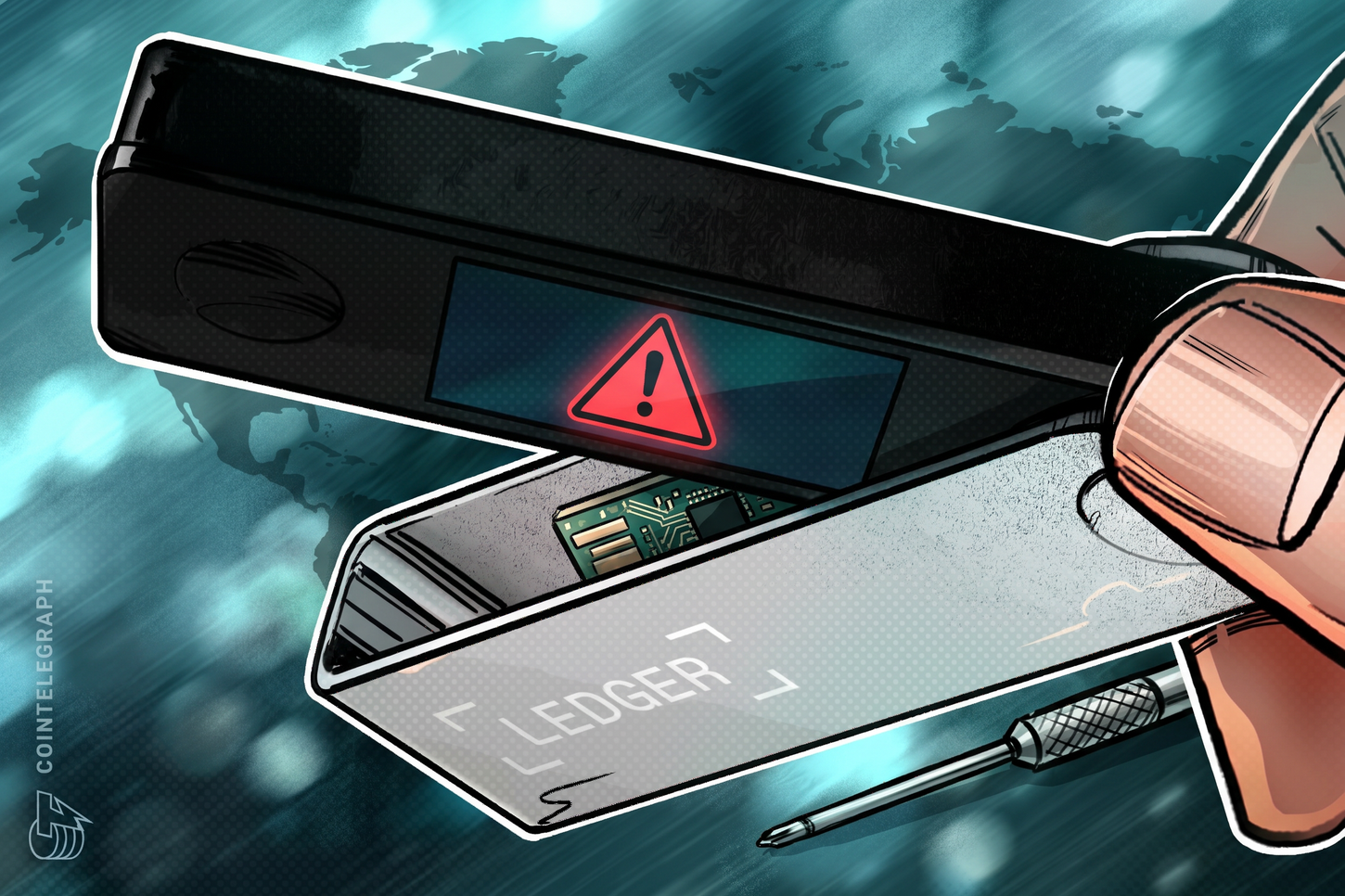
Ledger’s security team disclosed that the breaches were linked to devices sold by reseller CryptoBilis in Southeast Asia. These tampered units contained an implant capable of reading the user's 24-word recovery phrase during setup and transmitting it via LTE. While Ledger has tied confirmed losses to this specific supply chain compromise, Chainalysis did not specify where the scammer purchased the affected devices. The incident highlights vulnerabilities in third-party distribution channels for cryptocurrency hardware.
The revelation that a cybercriminal fell victim to a parallel exploit underscores the indiscriminate nature of supply-chain attacks on hardware wallets. Unlike software vulnerabilities that might be patched or avoided through cautious behavior, physical tampering with devices sold through unauthorized or compromised resellers creates a risk profile that even sophisticated actors cannot easily mitigate. This case demonstrates that possession of illicit gains does not guarantee security if the underlying custody mechanism is fundamentally broken by external interference.
From a market structure perspective, this incident intensifies scrutiny on the distribution networks of major hardware wallet manufacturers. Ledger’s decision to suspend sales in six Southeast Asian countries and Hong Kong reflects an urgent attempt to contain reputational damage and operational risk. However, the inability to verify total losses or confirm the exact number of affected users suggests lingering gaps in transparency. As onchain investigators trace suspected thefts exceeding $86 million, the industry faces pressure to implement stricter verification protocols for device integrity and supply chain provenance to restore user confidence.